
Scoliosis Care in Kyle
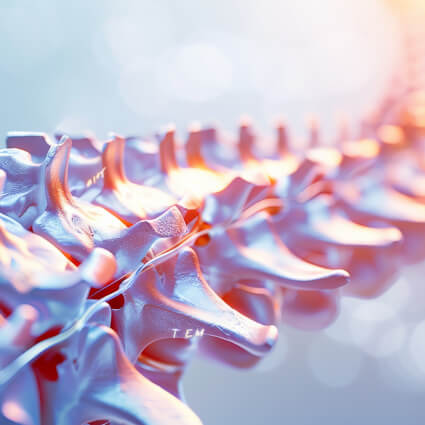
A curved spine can throw off more than your posture. It can make jeans fit differently, turn a school backpack into a daily battle, or leave your lower back aching by the end of the day.
When the Spine Grows Sideways Instead of Straight
Scoliosis happens when the spine curves sideways instead of running in a straight line, often twisting slightly as it bends. Most cases show up during the growth spurts of the pre-teen and teen years, though adults can develop curves too as discs and joints wear down over time. The size of the curve determines how much strain falls on the muscles, ribs, and hips working to keep the body balanced.
Why Some Spines Curve and Others Don’t
Doctors often can’t pin down a single cause, which is why scoliosis is frequently labeled idiopathic. Still, a few factors show up again and again:
- Genetics, since scoliosis often runs in families
- Rapid growth spurts during adolescence
- Uneven muscle development on one side of the back
- Underlying conditions like cerebral palsy or muscular dystrophy
- Age-related disc and joint changes in adults
- A previous spinal injury or surgery
The Subtle Signs That Build Over Time
Scoliosis doesn’t usually announce itself with pain, at least not at first. It’s more likely to show up as one shoulder sitting higher than the other or a shirt hanging crooked.
As the curve progresses, some patients notice their ribs pushing out on one side. Adults often deal with a different picture: a dull ache in the lower back, stiffness after sitting, or fatigue that sets in faster than it used to.
Signs It’s Time to Get the Curve Checked
If you’ve spotted uneven shoulders or clothes that no longer sit straight on a child or teen, have the spine checked before growth locks the curve in place. Adults with new or worsening back pain shouldn’t wait either.
X-Rays First, Then a Plan Built Around Your Curve
Your visit starts with a conversation about what you’ve noticed, followed by a hands-on exam and X-rays to measure your curve’s degree and pattern. From there, Dr. Browning and the team build a plan around what the images show, not a generic fix.
Care typically blends chiropractic adjustments with therapy to improve joint motion and ease muscle strain from compensating for the curve. You’ll also get stretches to practice at home.
Better Balance Without Losing Ground to the Curve
Most patients want less pain and more freedom of movement, and that’s what care aims to provide. Reduced muscle tension, improved posture, and better range of motion are common early wins for those who start care while the curve is still mild.
For growing kids and teens, consistent monitoring paired with chiropractic care may help keep movement patterns healthy while the spine changes. Adults often notice steadier balance and less soreness in the hips and lower back.
Get Your Spine’s Curve Evaluated Today
You don’t have to guess whether that shoulder height difference is something to worry about. Bring your questions to Browning Family Chiropractic & Wellness, where X-rays and a hands-on exam will show us what your spine is dealing with. Call (512) 405-0400 to schedule a visit today.
Schedule an Appointment
